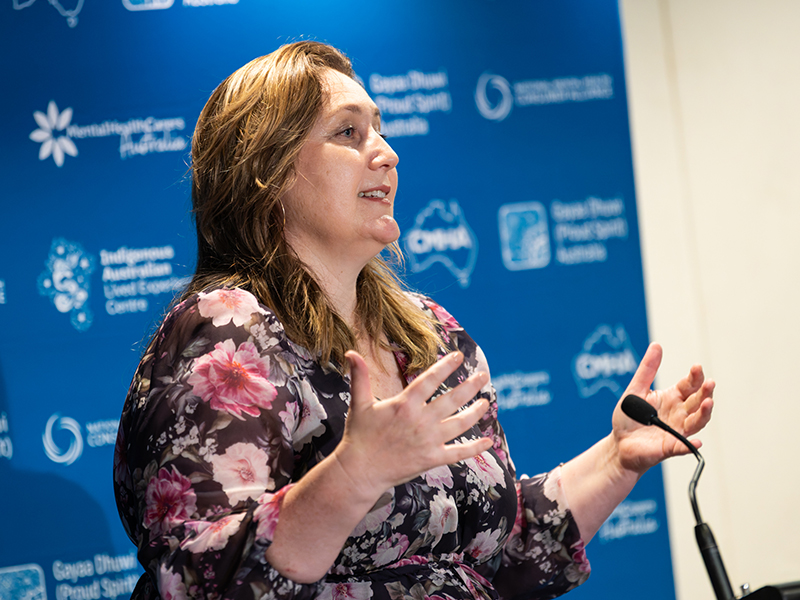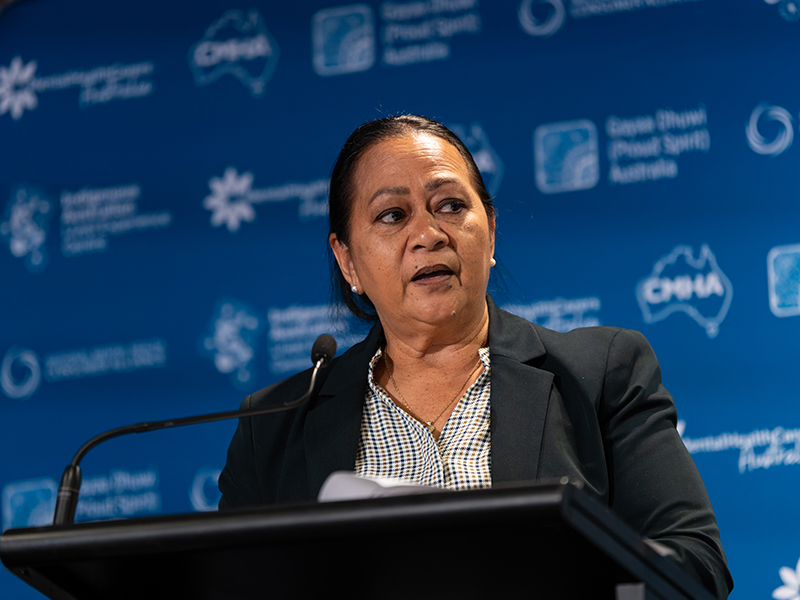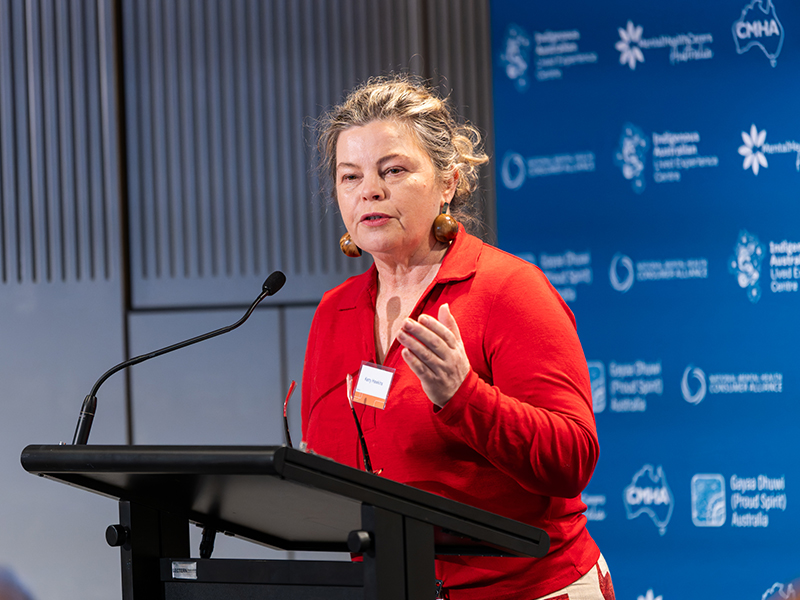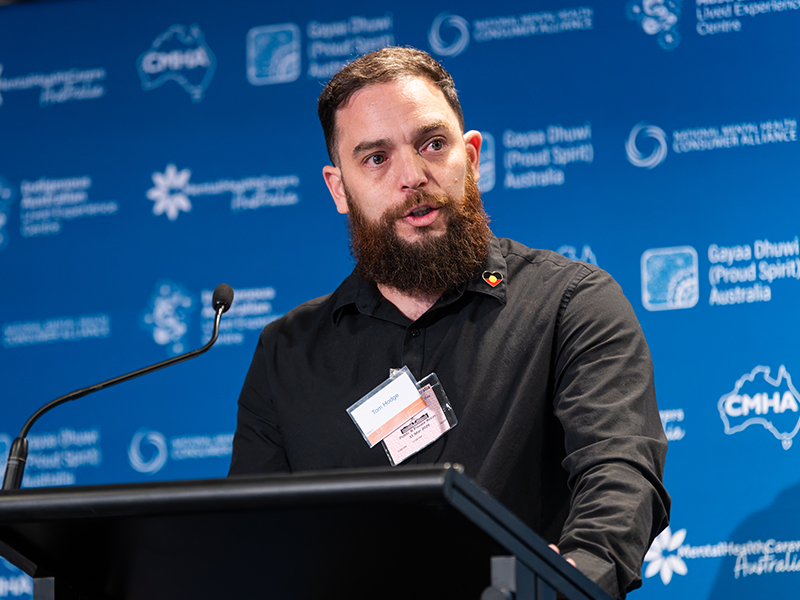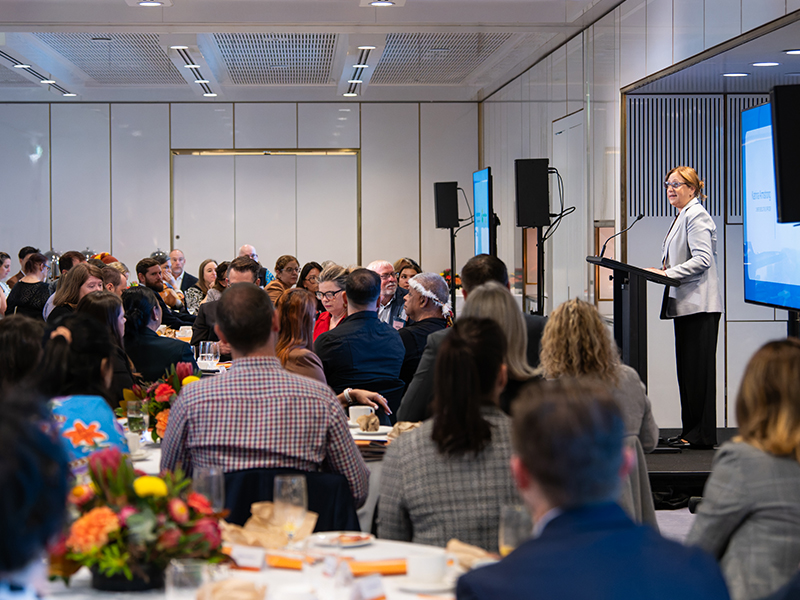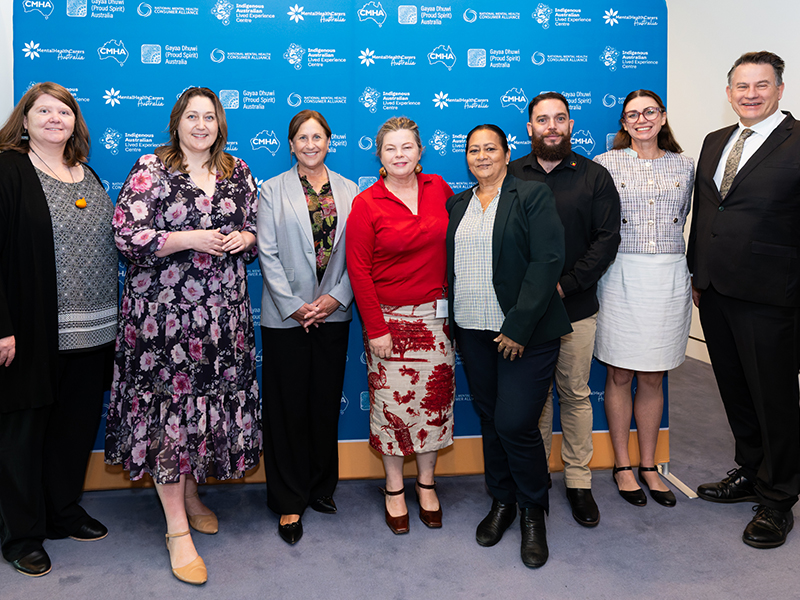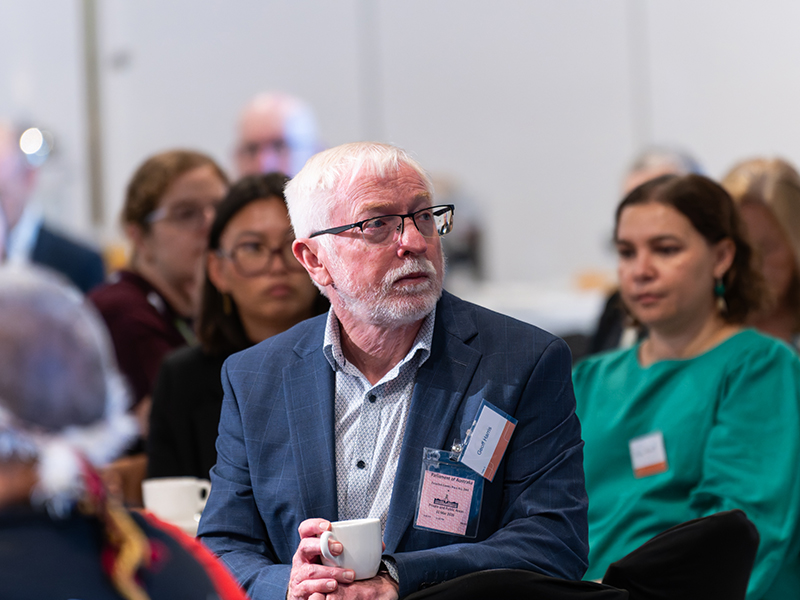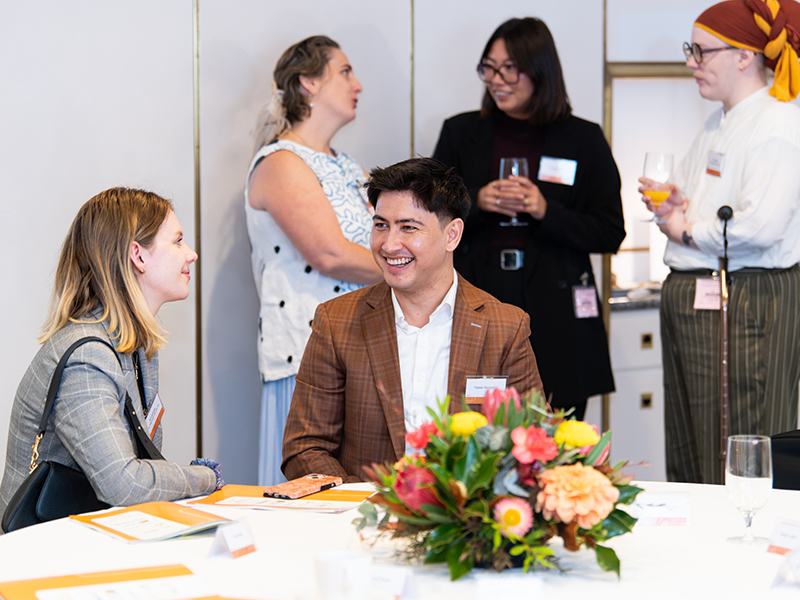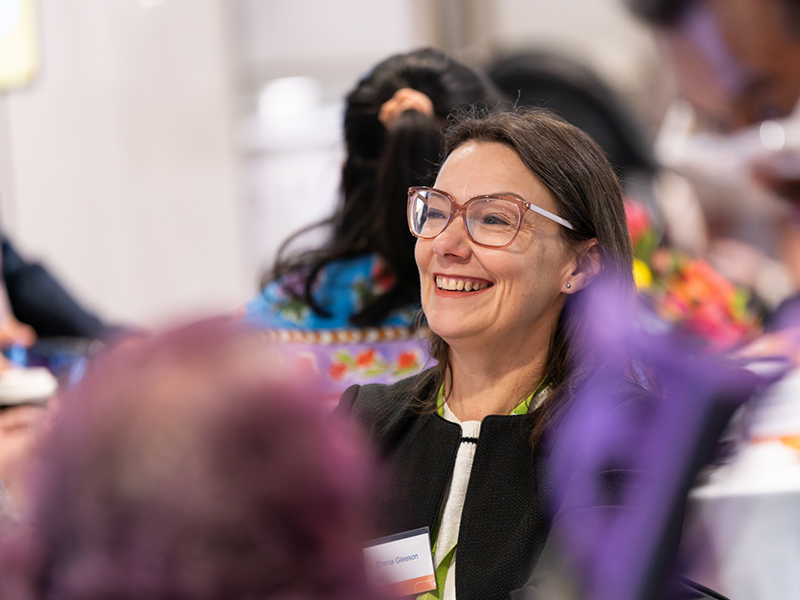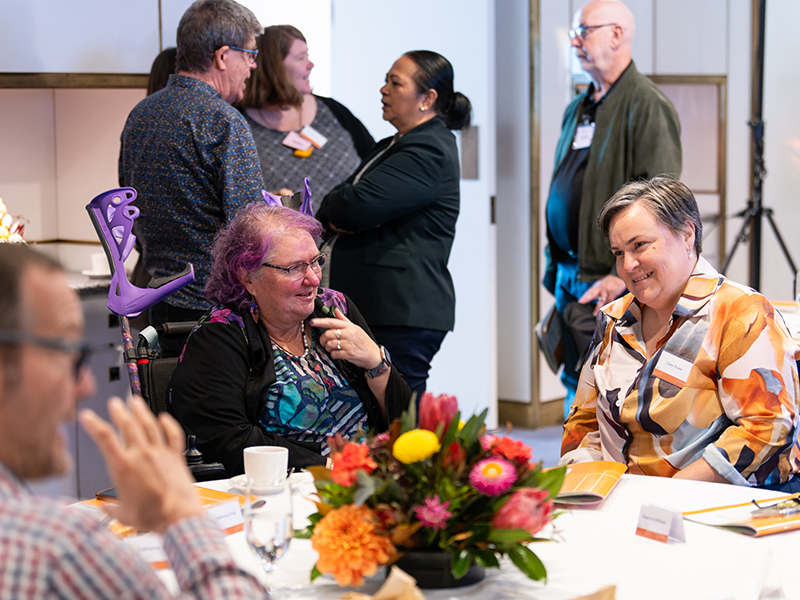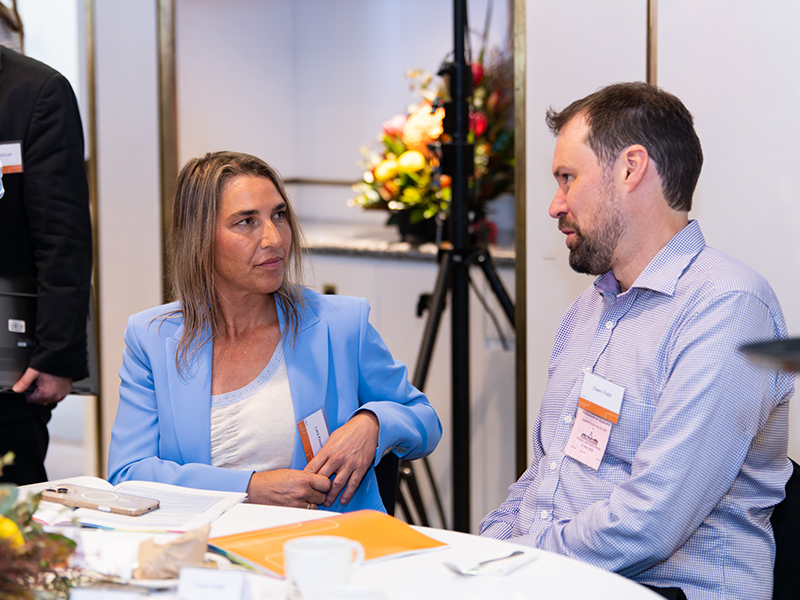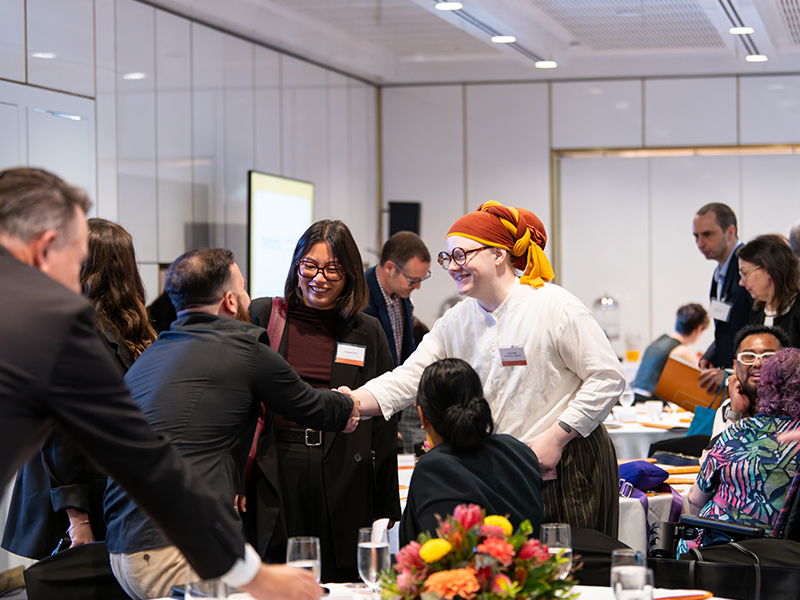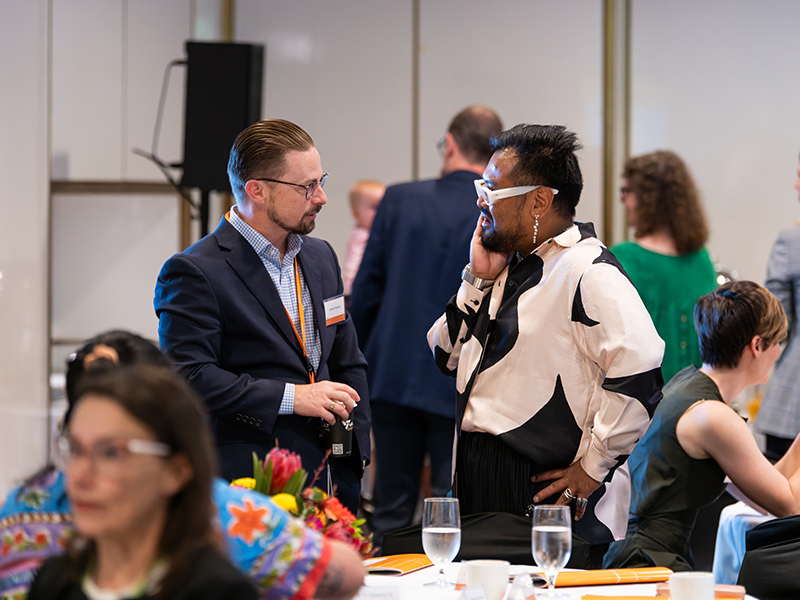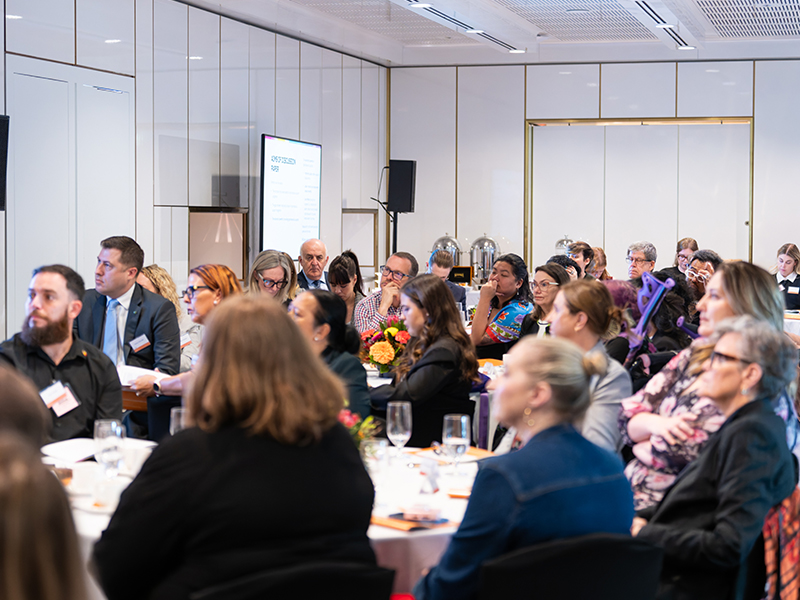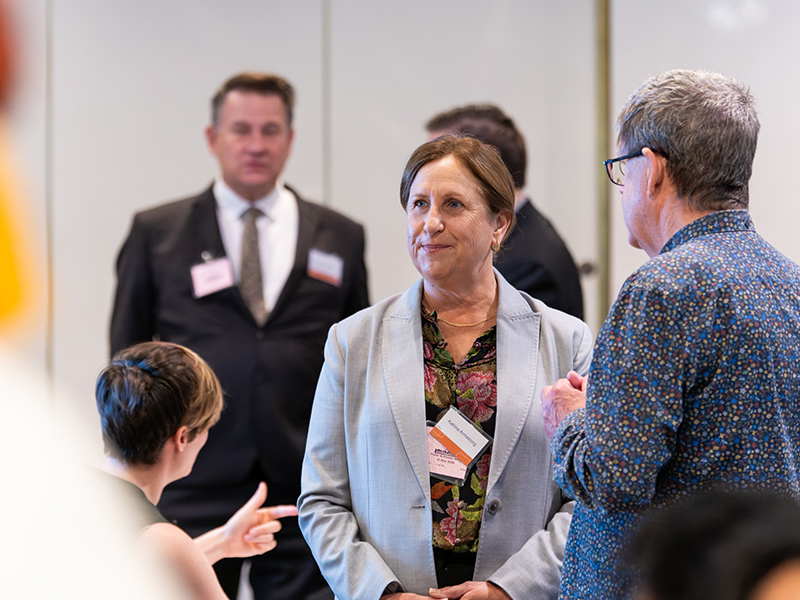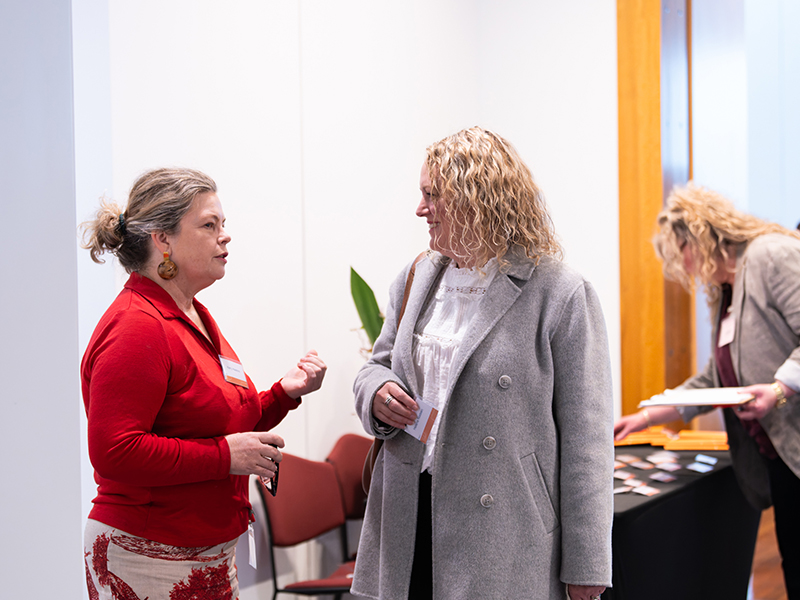
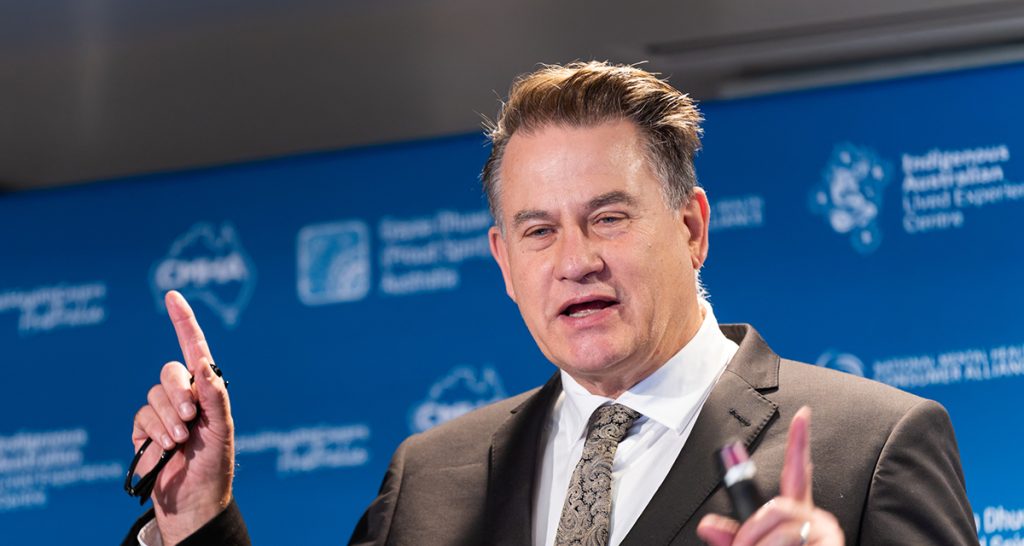
This week, The Lived Experience and Community-Managed Alliance Parliamentary Breakfast brought together community leaders from across the country with a shared commitment to shaping a mental health system that recognises the full context of people’s lives, including their social and emotional wellbeing.
Co-hosted by the Indigenous Australian Lived Experience Centre, National Mental Health Consumer Alliance, Gayaa Dhuwi (Proud Spirit) Australia, Mental Health Carers Australia, and Community Mental Health Australia, the event was the culmination of the collaborative working partnership between the organisations. The 31 March 2026 breakfast was the first time the five national peak organisations came together to lead an event at Parliament House in Canberra.
Together, we bring perspectives shaped by the lived experience of consumers, their families, carers and kin, Aboriginal and Torres Strait Islander cultural knowledge and community-led service delivery. While each of us comes from a different place, this coming together reflects a shared commitment to shaping a mental health system that supports people as whole human beings, within families, communities and cultures.
Across our collective work, we have consistently advanced the importance of a mental health system that is relational in design, culturally informed, community-based and grounded in lived experience. At this event, that shared understanding was strengthened by new economic analysis presented by one of Australia’s leading economists, Professor Paul Flatau from the Centre for Social Impact.
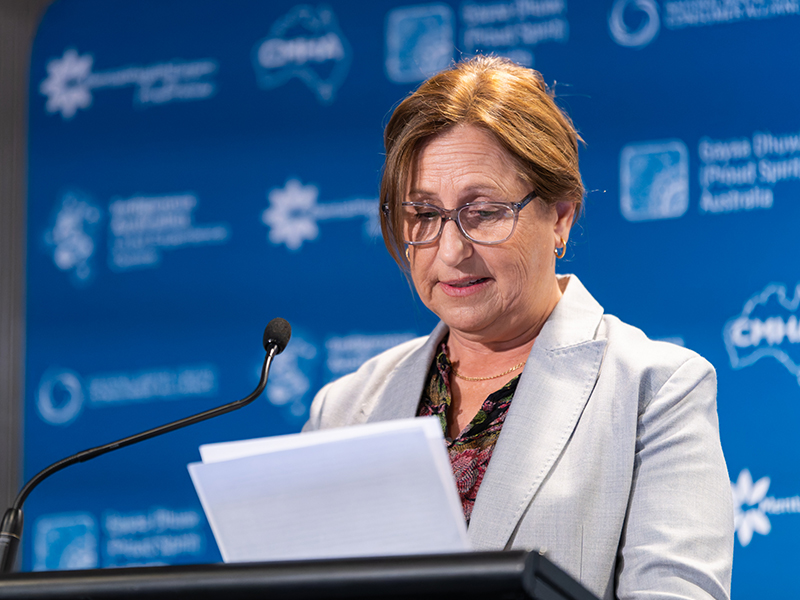
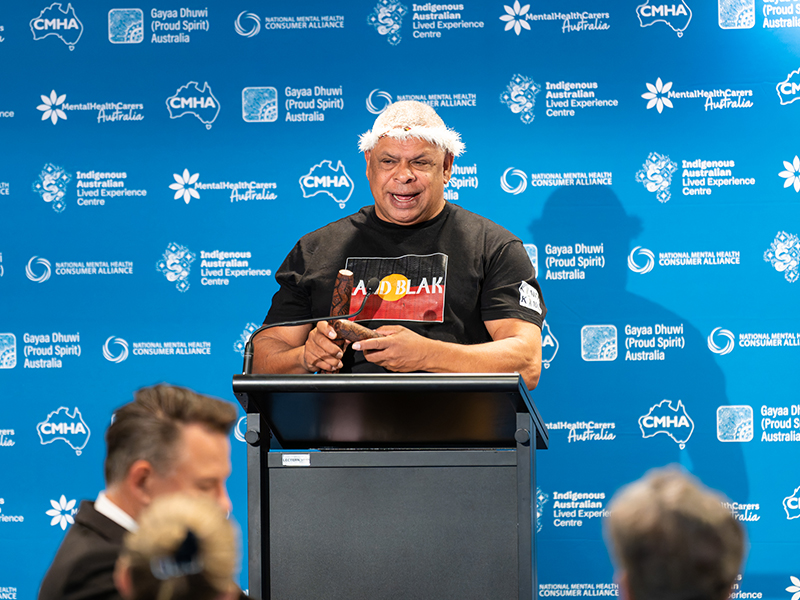
The event commenced with Welcome to Country from Uncle Billy T, followed by an address from the Hon Emma McBride MP, Assistant Minister for Mental Health and Suicide Prevention and Assistant Minister for Rural and Regional Health.
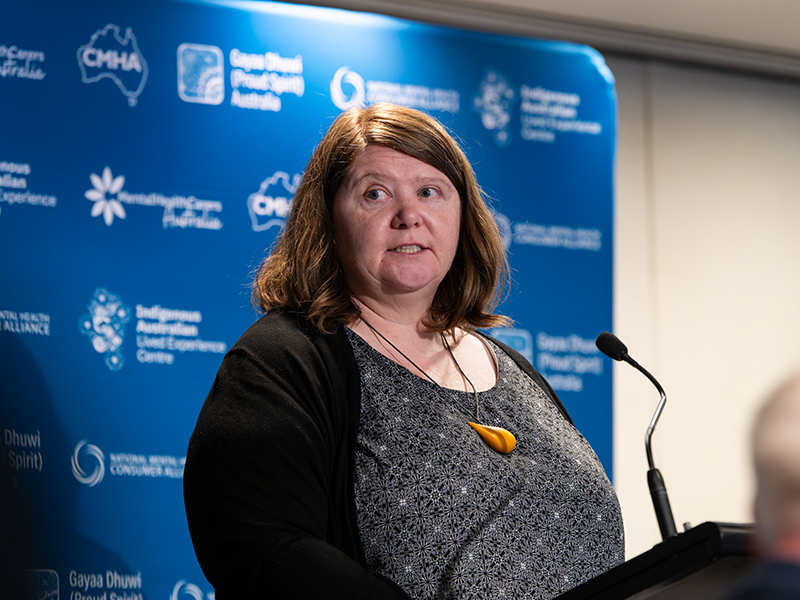
We then heard from Aunty Vicki, CEO of the Indigenous Australian Lived Experience Centre, who brought a strong lived experience perspective grounded in culture and community. Jen Nixon, National Policy and Research Manager at the National Mental Health Consumer Alliance, spoke to the importance of embedding lived experience at the centre of system design. Katrina Armstrong, CEO of Mental Health Carers Australia, highlighted the critical role of families, carers and kin. Tom Hodge, Operations Manager at Gayaa Dhuwi (Proud Spirit) Australia, reinforced the importance of culturally grounded, community-led approaches for Aboriginal and Torres Strait Islander peoples. And we highlighted that the work of the community-managed sector has been contributing to this space for decades.
Professor Paul Flatau, Director of the Centre for Social Impact at the University of Western Australia, presented the summary findings of new economic analysis examining the value of psychosocial supports.
Drawing on extensive research, the summary findings indicate that there are economic benefits to supporting mental health in general. In particular, changes to the mental health system that would involve a greater role for psychosocial supports are expected to deliver economic value calculated in terms of improved quality of life, labour market and employment-related benefits, and cost offsets derived from programs.
The remarks from Professor Paul Flatau strengthened what has long been understood through lived experience, cultural knowledge, and community-based practice.
“For many years, we have understood the significance of psychosocial supports through the experiences of people, families and communities,” Kerry said.
“This work strengthens that understanding and provides robust economic analysis, which indicates that supporting a more complete and considered approach to mental health system transformation is not just good for people, it’s good for the economy,” she added.
We acknowledged that applying an economic lens to deeply human work can feel complex, particularly in a space grounded in lived experience and social and emotional wellbeing.
“We recognise that people’s lives cannot be reduced to numbers alone. However, when used with care, economic analysis strengthens our collective voice and helps guide investment, policy and system design,” added Kerry.
“Together, we are contributing to a shared goal: a mental health system that recognises the whole person, responds to the full context of people’s lives, and invests in supports that enable individuals, families and communities to live well,” she said.
The event concluded with closing remarks and a vote of thanks, recognising the collaboration between the five peak organisations and the significance of this historic event at Parliament House.