
ACDC Project
Assisting Communities through Direct Connection
Assisting Communities through Direct Connection (ACDC) uses a proactive outreach approach to assess community need and connect people with mental wellbeing information and support.
Through co-design and community-led research, ACDC identifies place and activity-based strategies to reduce barriers to help-seeking and access to local wellbeing supports.
ACDC is a national initiative led by Community Mental Health Australia (CMHA) and funded by the Australian Government Department of Health, Disability and Ageing
Community-Led Research
ACDC utilises a social prescribing model to identify and respond to mental wellbeing support needs while enhancing opportunities for help-seeking within community settings, incorporating referral pathways across both health and community services.
Informed by our nationwide survey data collected over the past six years, the project has identified Local Council areas and priority populations with greater need including Aboriginal people, people born in South Asia, carers and people living in rural and regional communities.
In line with our commitment to genuine co-design, CMHA engages lived experience Co-Researchers to develop and facilitate culturally appropriate, peer-led activities.
ACDC also serves as a community-led research activity, building an evidence base of strategies that help Local Councils and community organisations enhance access, and increase participation and inclusion for priority populations.
Aboriginal People
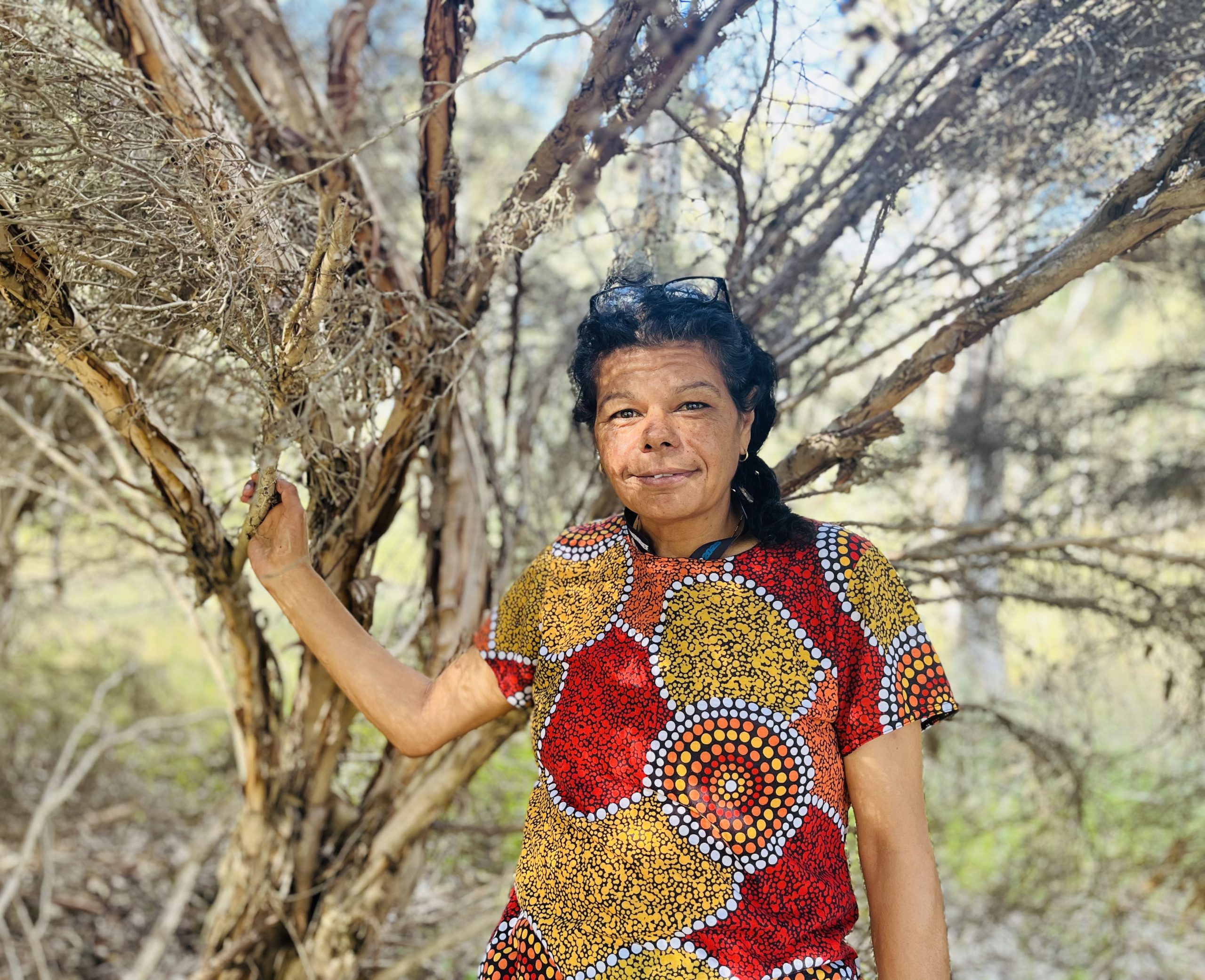
Aboriginal Co-Researchers across Australia are exploring the benefits of connecting with culture through traditional activities, including time on Country, weaving, bush medicine and running, while exploring the value of social prescribing pathways to meet non-medical needs, address social determinants of health and identify strategies for cross-sectoral collaboration.
Now in the testing phase, approaches embedded in cultural activities, including yarning, narrative therapy and Open Dialogue, eco-maps and geno-grams are being further explored, as well as ways to apply the Indigenous Australian Lived Experience Centre Peer Workforce Guidelines.
People Born in South Asia
In Tasmania, in depth-interviews, community surveys and roundtables have engaged people born in Bangladesh and Nepal in mental wellbeing conversations, and in South Australia, a South Asian Co-Research Group developed surveys in Hindi, Punjabi, Gujarati and English to assess community need and inform the design of local initiatives.
Further community consultations led to the establishment of the Healthy Minds, Happy Families Program, utilising cultural activities to facilitate data collection, connect people with wellbeing information and support, strengthen community and reduce social isolation.
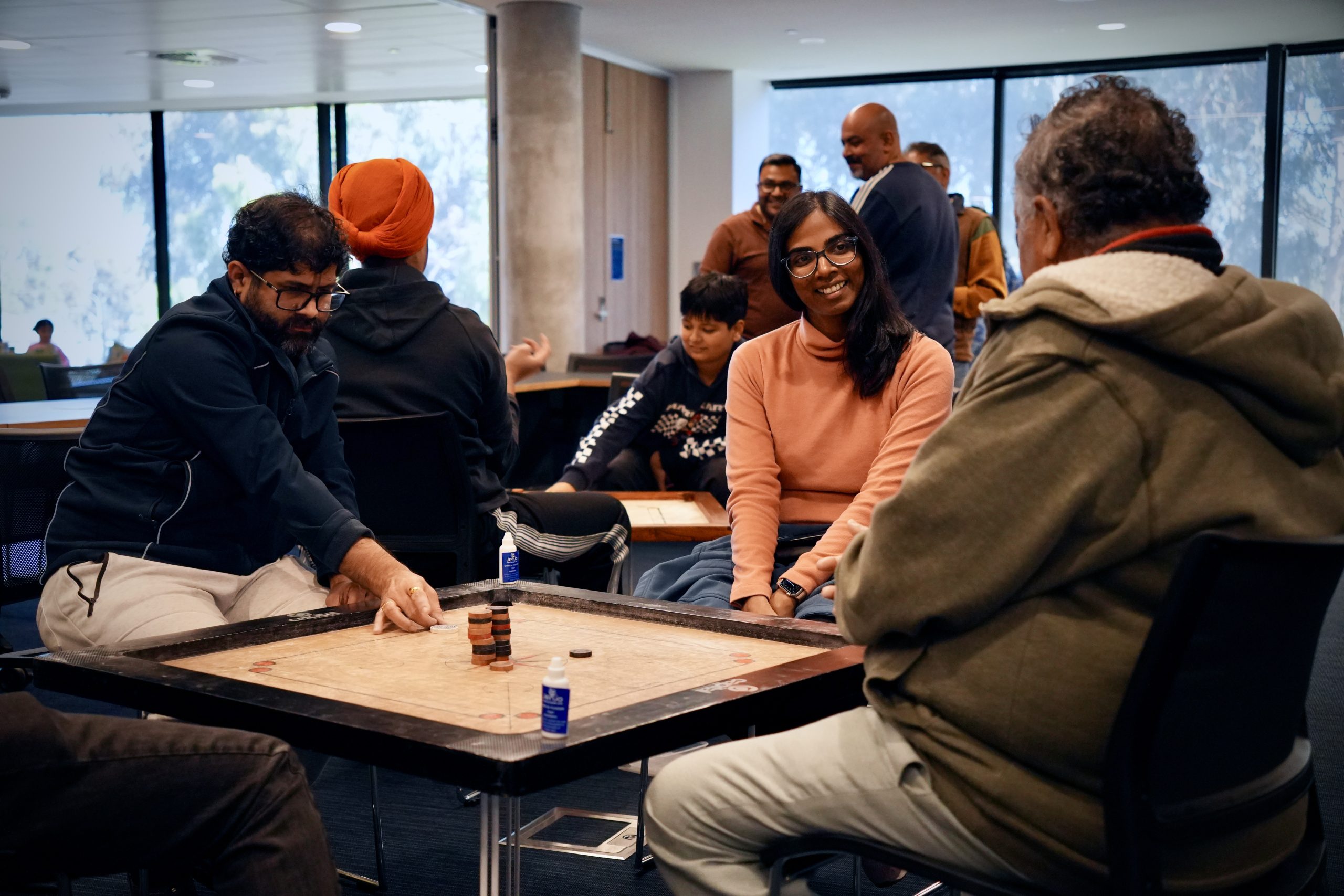
In response to the findings, the Co-Research Group established a fortnightly Carrom event to engage the community and foster connection in a relaxed, culturally familiar environment. Carrom is a tabletop game and is played widely across India, Bangladesh, Sri Lanka, Pakistan and Nepal. This event also serves as a platform for ACDC consultation activities, with up to 50 people attending each session.
Family Carers
Findings from ACDC consultations highlighted significant and ongoing mental wellbeing support needs among carers. Carer Co-researchers have pooled their extensive knowledge and experience through locally built surveys and roundtables, with the common goal to develop a model to enhance the capacity, quality, diversity and sustainability of a national carer peer workforce.
In the City of Salisbury, ACDC Carer Co-Researchers have developed a carer peer workforce model for the delivery of face-to-face, telephone and online supports, and identified further opportunities for peer-led support within existing service pathways.
A Statewide Carer Roundtable in South Australia presented findings via a carer panel presentation for Parliamentary Members and NGO mental health services, and ongoing monthly carer roundtables led by carers are now developing policy and evaluation frameworks.
Grassroots Filmmaking
Grassroots filmmaking has allowed ACDC Co-Researchers to demonstrate how activity-based, social prescribing models can work in the community, through the voices of priority populations as the leads in design, development and delivery of activities at a local level. You can find more films on Community Mental Health Australia’s YouTube channel.
Where we started
Many Australians seek mental wellbeing support when they reach the point of crisis, unaware of the preventative care and social support options existing in their local community.
ACDC came about as a simple way to bridge the gap by connecting people who may be disconnected or isolated to the information and resources to help.
Through proactive outreach, trained community workers known as People Connectors knocked on 52,500 doors in 27 metropolitan and regional communities across all states and territories.
They provided free, accessible information about local mental health and wellbeing services, and assisted individuals in connecting with support, recovery, and prevention resources tailored to their needs.
In addition to the thousands of conversations and connections to services our People Connectors supported, Australian householders had the opportunity to be surveyed, allowing us to uncover data on potential drivers behind poor mental and physical wellbeing in specific regions, and flag Local Council areas and priority groups experiencing greater barriers to access.
Utilising ACDC Project data has informed our subsequent funding rounds to prioritise co-designed, place-based activities that enhance opportunities for help-seeking within community spaces while continuing to build an evidence base for Local Councils and community organisations to enhance access, and increase participation and inclusion for priority populations.
Assisting Communities through Direct Connection reflects CMHA’s commitment to placing human rights and true co-design at the centre of mental health systems and supports, ensuring that everyone has the opportunity to access the care that they need.